












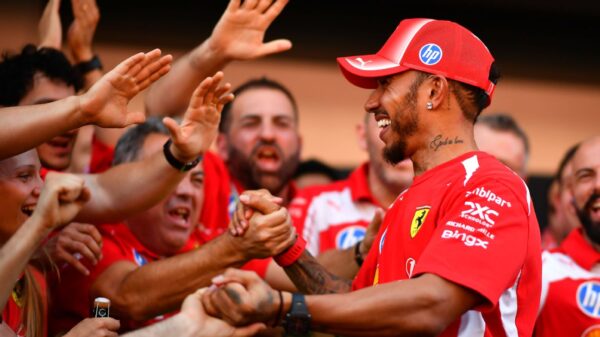
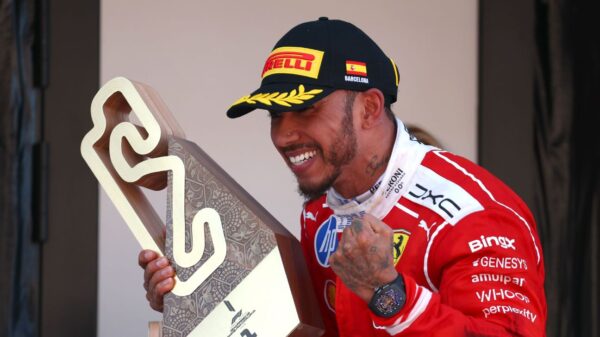
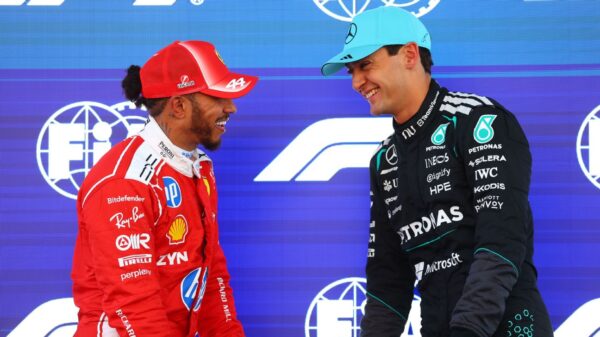




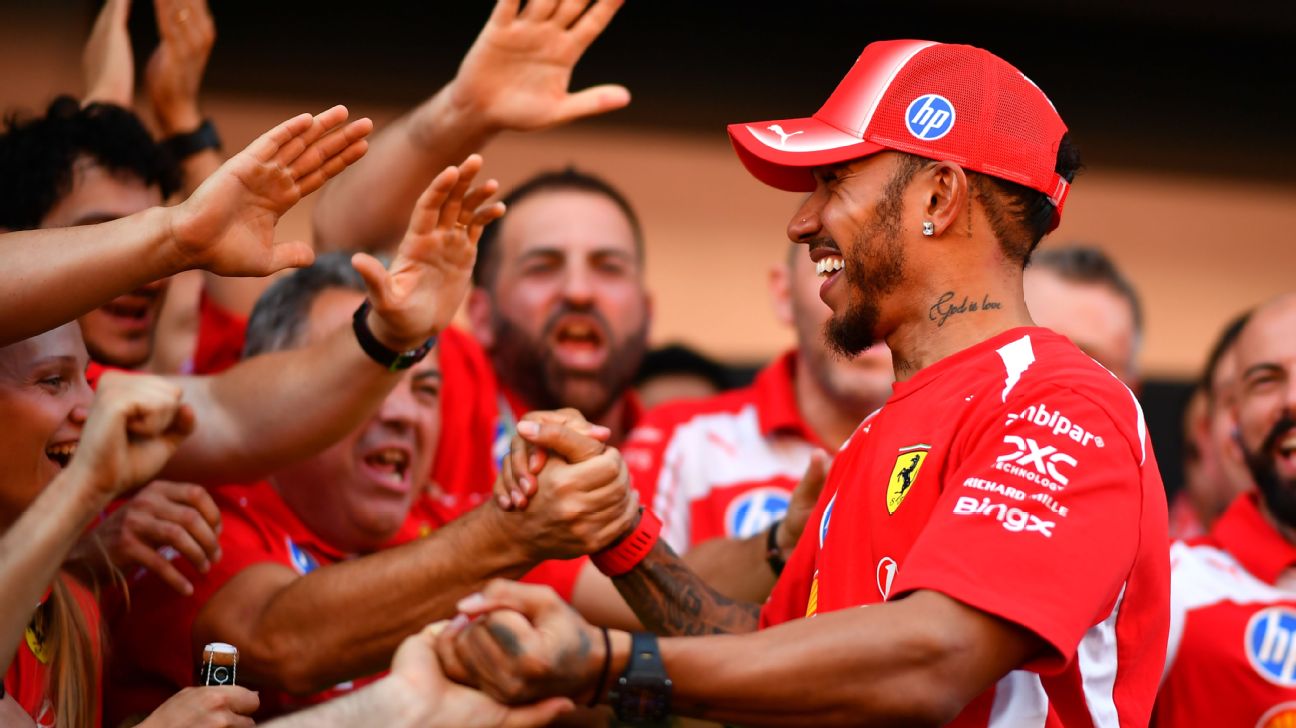
Lewis Hamilton’s maiden Ferrari victory in Barcelona wasn’t just a race win — it was the loudest possible signal that something has fundamentally shifted inside Maranello. On his 31st attempt, the seven-time world champion ended both his own wait and Mercedes’ unbeaten run against their former driver. But the story behind the Lewis Hamilton Ferrari win runs far deeper than a single Sunday afternoon.
Lewis Hamilton Ferrari Win Reveals the Vasseur Effect
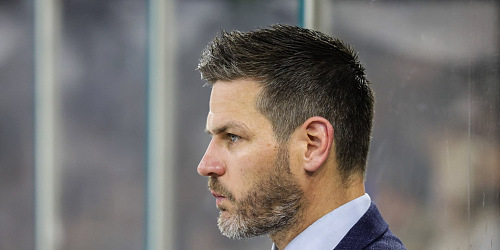
After climbing off the top step, Hamilton was eloquent about the man who made it all possible — team principal Frédéric Vasseur. “I wouldn’t be in this team without Fred,” Hamilton told the post-race press conference. “He continued to believe, continued to be a good friend, continued to be a great teammate and an ally. He really listened at the end… and he enabled the changes to happen, which I’m forever grateful for.”
That admission carries enormous weight when you understand Ferrari’s history. Since Kimi Räikkönen’s title in 2007, the Scuderia’s greatest problem hasn’t been a shortage of talent. It’s been an institutional stubbornness — a ‘Ferrari way’ that chewed up and spat out Fernando Alonso and Sebastian Vettel alike. Alonso departed in 2014 under a cloud; Vettel’s increasingly fractious relationship with then-boss Maurizio Arrivabene ended in both their exits. Neither man found a true ally at the top. Ferrari chairman John Elkann’s public rebuke after a dreadful Brazil race last November — “We certainly have drivers for whom it’s important that they focus on driving and talk less” — showed that same entrenched mindset hadn’t vanished.
Hamilton, by his own admission, was a “shock to the system” when he arrived. His chemistry with former race engineer Riccardo Adami was uncomfortable throughout 2025, and ESPN sources indicated he was stunned by just how alien Ferrari’s culture felt compared to McLaren and Mercedes. For a stretch of last season, he looked like the latest superstar consumed by Maranello’s resistance to change.
Brake Changes, New Bonds and a Blueprint from the Past
The turning point arrived in tangible, technical form. Hamilton pushed hard to switch his brake materials from long-time Ferrari partner Brembo to Carbon Industrie — the supplier he’d used throughout his Mercedes career. His former teammate Nico Rosberg explained the significance on Sky Sports: “It makes a huge difference for a driver. If you slam the brakes and don’t know what to expect, it takes away so much confidence. Now he hits the brake pedal and knows exactly what he’s going to get.”
Charles Leclerc initially declined the change at the Japanese Grand Prix, before reversing that decision after blaming his brakes for his Monaco crash. His verdict ahead of Barcelona? “Lewis is right.” Three words that, given Hamilton’s turbulent 2025, few in red would have uttered twelve months ago.
Furthermore, Hamilton’s new race engineer Carlo Santi joined him on the podium in Barcelona — Hamilton comparing their bond to his legendary partnership with Peter Bonnington, which is about as high a compliment as exists in the paddock. The swagger is back.
The parallels with Michael Schumacher are striking. Schumacher claimed his own first Ferrari victory at the same Barcelona circuit 30 years earlier, and his dominance was built on the trust between himself and French team principal Jean Todt — another outsider who managed the cultural friction internally while giving his superstar driver the conditions to thrive. Vasseur is operating from a strikingly similar playbook.
Hamilton always insisted 2026, not 2025, would define his Ferrari chapter. On Sunday in Barcelona, that prophecy began to look very real indeed. Vasseur was quick to cool championship talk — a very Todt-like move — but if Ferrari keep listening to their No. 44 driver, the rest of the grid should be worried.