




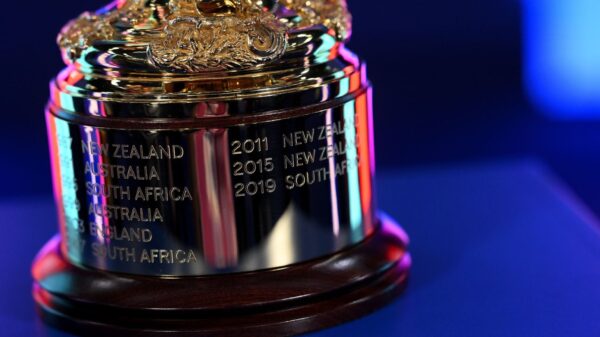

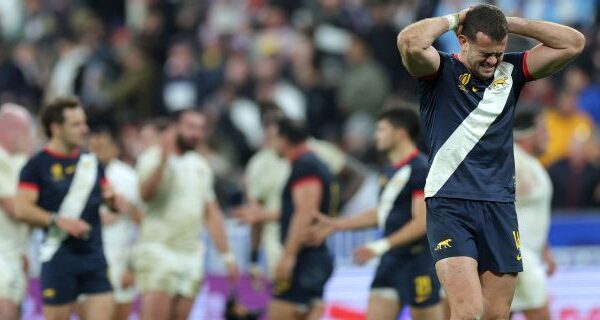









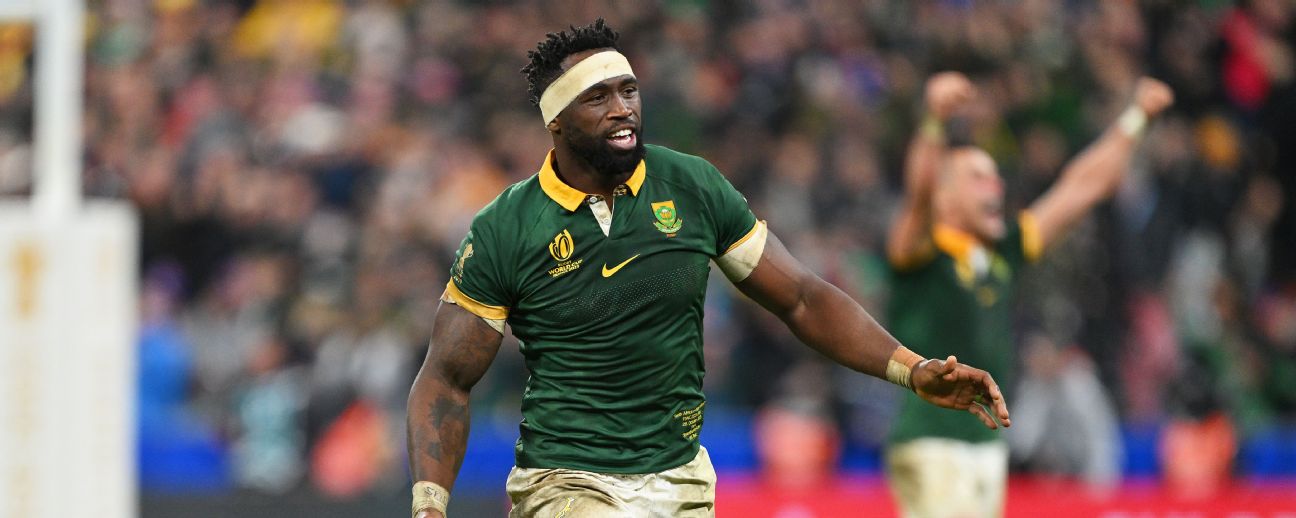
South Africa etched their name into Rugby World Cup history on Saturday, becoming the first nation to lift the Webb Ellis Cup four times after edging New Zealand 12-11 in a breathless final at the Stade de France. The Rugby World Cup history books will never look the same again. This was brutal, gripping, and utterly relentless — exactly what a World Cup final should be.
Rugby World Cup History Made Amid Red Card Chaos
If you thought this final would be clean, think again. Only a single yellow card had been shown across all nine previous World Cup finals combined. On Saturday, four were dished out in 80 ferocious minutes. The standout moment — and the one that will define this match for years — came just before halftime when All Blacks captain Sam Cane became the first player ever sent off in a World Cup final. His initial yellow was upgraded to red following a bunker review after he clattered into Springboks centre Jesse Kriel head-first. It was a hammer blow for New Zealand. As early as the third minute, flanker Shannon Frizell had also been yellow-carded for a clean-out on hooker Bongi Mbonambi, forcing Mbonambi off with a leg injury. The tone was set immediately.
Meanwhile, Springboks fly-half Handré Pollard was doing what he does best. Four penalties in the first half — including a stunning 46-metre effort — gave South Africa a 12-6 advantage at the break. Richie Mo’unga replied twice for New Zealand, but the Boks went into the tunnel a man up and six points clear. Crucially, no team in Rugby World Cup history had ever overturned a halftime deficit to win the final. The All Blacks needed something special.
All Blacks Fight Back But Springboks Hold Their Nerve
Remarkably, despite playing three quarters of the match with 14 men, New Zealand never abandoned their ball-running identity. That tells you everything about this All Blacks side. Siya Kolisi’s sin bin in the 46th minute for a high tackle on Ardie Savea gave them hope, and although Aaron Smith thought he had scored only for a knock-on to rub it out, Beauden Barrett touched down four minutes later to pull New Zealand back to 12-11. It was the first try South Africa had ever conceded in a World Cup final. Mo’unga pushed the conversion wide from the touchline — and that miss proved decisive.
South Africa winger Cheslin Kolbe was yellow-carded with seven minutes remaining, handing New Zealand a lifeline, but Jordie Barrett’s 48-metre penalty attempt drifted wide of the posts. The Springboks’ famous “bomb squad” bench had by then flooded the pitch, and the Boks ground it out to the final whistle. Kolisi, speaking after the match, captured the moment perfectly: “There are no ways I can explain it. The All Blacks took us to the end, they took us to a dark place. There is so much going wrong in our country, and we are like the last line of defence.” For more on the skipper’s extraordinary legacy, read our deep dive into why rugby will never see another Siya Kolisi.
All Blacks coach Ian Foster, understandably, felt the officiating inconsistency hurt his side. “Two similar incidents — one was a red, one was a yellow,” he said. “That’s not sour grapes. The game has got a few issues it’s got to sort out.” He has a point. But South Africa deserved this. Four World Cups. Undeniable. Historic.