






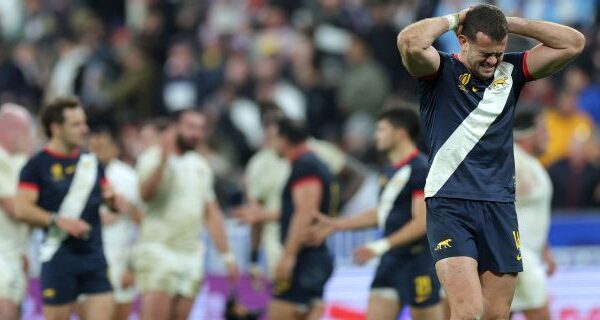


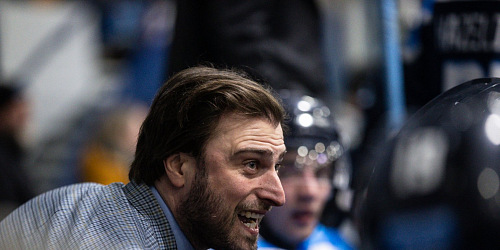





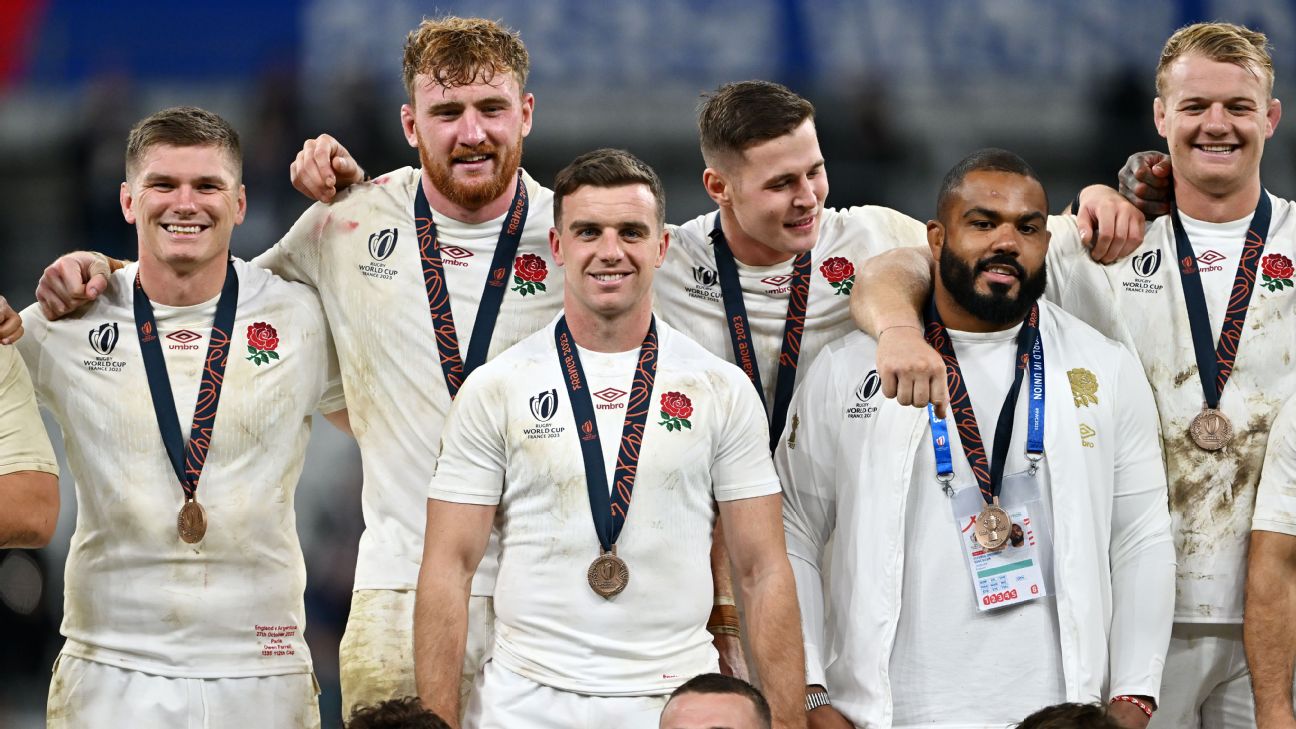
Steve Borthwick was already scribbling in his journal before the final whistle confirmed England’s bronze medal win over Argentina at the Stade de France. The England Six Nations rebuild is underway, and it starts with a squad reset. Names will be crossed out, positions reassessed, and a new spine forged from the exciting crop of talent that emerged during this Rugby World Cup campaign.
England’s Six Nations rebuild: who stays, who goes
The final whistle in Paris felt like the last day of school. This particular group of 36 players — including three injury replacements — will never line up together again. The next time they gather, it’ll be a reunion in some anonymous London hotel ballroom ahead of the Italy fixture on 4th February.
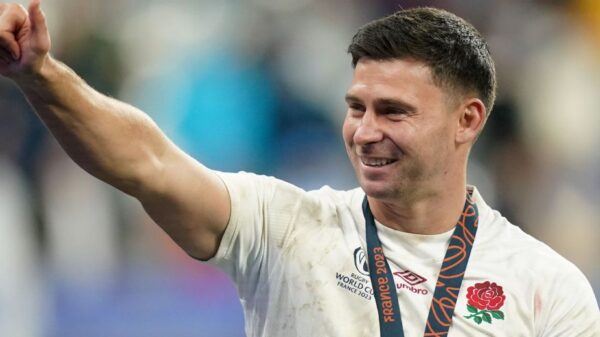
Jonny May, Courtney Lawes, Joe Marler and Ben Youngs pulled on the white shirt for the final time against Argentina. Dan Cole’s plans remain unconfirmed, but at 36, the great tight-head is firmly in the twilight. Youngs, reflecting on 13 years of England duty in the bowels of the Stade de France, still managed to look forward with genuine warmth. He pointed to Marcus Smith finding his feet at fullback, and rattled off names — Freddie Steward, Ollie Chessum, Geordie Martin — as the pillars of what’s coming. “Tom Curry — 50th cap today, mid 20s. Ben Earl looks like he’s been a Test player for the last seven years,” Youngs said. High praise, and entirely justified.
Jamie George echoed that energy. He described the week building up to the Argentina match as the hardest of his life — the gut-punch of losing to the Springboks by a single point in the semifinal, then dragging himself back up for one more game. He’s proud of that bronze, which sits alongside his 2019 silver from Yokohama. But the excitement in his voice when he spoke about Geordie Martin and Theo Dan? That was real. “He’s a superstar,” George said of Dan. “The sky is the limit for that kid.”
Borthwick’s coaching reshuffle and the hybrid contract debate
Meanwhile, Borthwick faces a coaching reshuffle. Kevin Sinfield’s future looks uncertain amid reports he could depart, while Paul Gustard’s name has resurfaced as a potential addition. The one confirmed arrival is Felix Jones, joining from the Springboks’ backroom staff after picking up his second World Cup winner’s medal. Jones was glowing about what he’s walking into. “Steve has probably built the foundation of a squad that is willing to work and build,” he said. “That really appealed to me.”
Off the pitch, RFU CEO Bill Sweeney has his own homework. Chief among it is finalising the new hybrid contracts for 25 players under the Professional Game Partnership — an agreement between the clubs, players and the RFU designed to protect England’s talent base. George is cautiously optimistic but wants the players in the room. “There are a lot of very intelligent guys in this changing room who care a huge amount about the English game,” he said. Positional depth remains a concern too — Borthwick privately acknowledges England are light at hooker, both sides of the scrum, No.8 and inside centre. Sweeney pointed to France’s model — nurturing players like Antoine Dupont through age-grade structures — as the blueprint worth following.
Then there’s the thorny matter of Joe Marchant, Jack Willis and David Ribbans heading to France. Marchant, signing a three-year deal with Stade Français, becomes ineligible under England’s policy of excluding players based outside the Gallagher Premiership. “I’ve got my fingers crossed, because I just want to play for England,” Marchant said. That conversation isn’t going away.
According to Jonny May, Borthwick’s rugby brain sits somewhere between Alan Turing and Mr Spock — obsessive, precise, relentless. England’s World Cup campaign showed real growth, but Borthwick knows edging past opponents won’t cut it in the Six Nations or beyond. With seven players aged 25 or under in the semifinal — more than any other side — the age profile is strong. The foundation is there. Now it’s time to build something worth talking about.