
























The Rugby World Cup winners list tells the story of a tournament that has grown into the grandest stage in international rugby. Held every four years since 1987, the 20-team competition crowns its champion with the coveted Webb Ellis Cup — named for William Webb Ellis — and only four nations have ever lifted it.
Rugby World Cup Winners: South Africa Lead the All-Time List
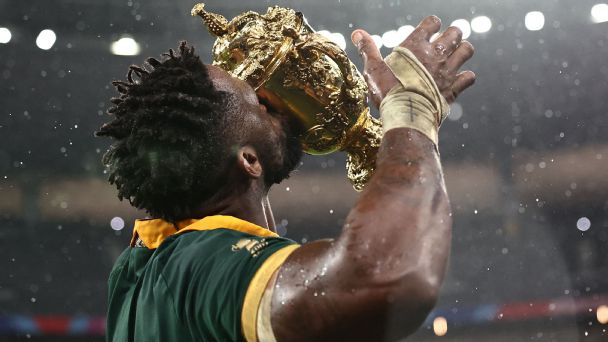
No nation has dominated rugby union’s biggest prize quite like South Africa. The Springboks claimed a record fourth Webb Ellis Cup in 2023, cementing their status as the sport’s most decorated World Cup side. Remarkably, they also became just the second team in history to defend the title successfully, having won back-to-back championships in 2019 and 2023. New Zealand were the first to pull off that feat, winning consecutive tournaments in 2011 and 2015.
Here’s how the all-time title count stands:
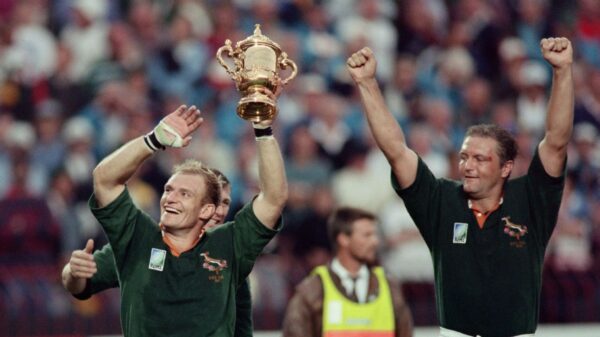
- South Africa — 4 (1995, 2007, 2019, 2023)
- New Zealand — 3 (1987, 2011, 2015)
- Australia — 2 (1991, 1999)
- England — 1 (2003)
Furthermore, New Zealand’s triumph in that inaugural 1987 tournament set the tone for decades of All Blacks brilliance — they defeated France in the final and haven’t looked back since. World Rugby’s official records confirm the full historical picture for those wanting to dig deeper.
All-Time Rugby World Cup Finals: Who Has Made the Most Appearances?
Winning the whole thing is one matter, but consistently reaching the final separates the elite from the rest. New Zealand lead the final appearances table with five, while South Africa, Australia, France, and England have each appeared in four finals apiece. Of those, only South Africa, New Zealand, Australia, and England walked away as champions.
It’s worth noting that France have appeared in four finals without ever winning — a brutal record for a nation capable of breathtaking rugby. Meanwhile, with Rugby World Cup 2027 host cities now confirmed, including Sydney landing the final, the next chapter is already taking shape.
How Does Rugby World Cup Qualification Work?
The 20-team field takes shape through a structured qualification process. Twelve sides earn automatic spots based on their previous World Cup performance — specifically, the top three finishers from each of the four pool stages advance as seeded teams. The remaining eight places break down regionally: eight for Europe, five for Oceania, three for the Americas, two for Africa, and one for Asia. One final spot goes to the winner of an intercontinental playoff. It’s a system designed to reward consistency while keeping the door open for rising nations. BBC Sport’s rugby union coverage tracks the qualification picture as it develops ahead of each tournament.